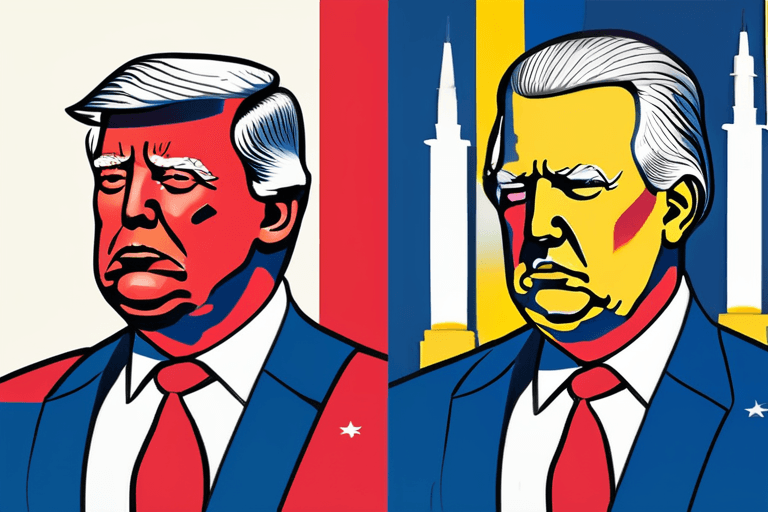
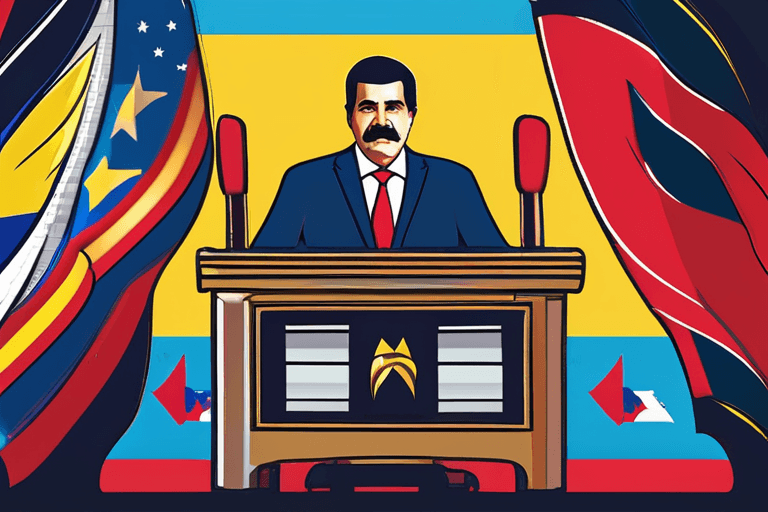
U.S. President Donald Trump stated on Saturday that the U.S. is going to "run" Venezuela, raising questions about the extent of U.S. involvement in the South American nation following a raid that removed Nicolás Maduro from power. The statement, made during a press conference at Mar-a-Lago, Florida, followed a Delta Force operation that extracted Maduro from his safe house in Venezuela.
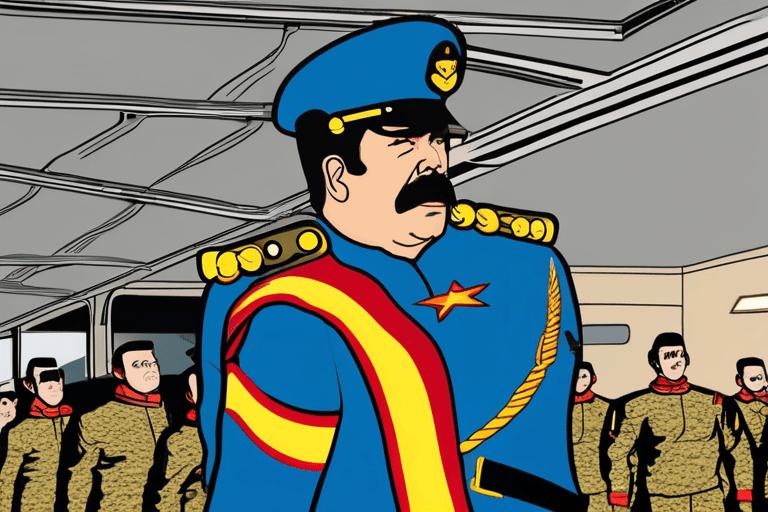
The circumstances surrounding Maduro's removal remain unclear, but the U.S. had been increasing its military presence in the region for months, citing efforts to combat drug trafficking and enforce sanctions on Venezuelan oil exports. These actions fueled speculation about a potential U.S.-led regime change operation against Maduro's government.
Venezuela has been in a state of political and economic crisis for years, marked by hyperinflation, shortages of essential goods, and widespread emigration. Maduro, who succeeded Hugo Chávez in 2013, faced accusations of authoritarianism and human rights abuses, leading to international condemnation and sanctions from the U.S. and other countries. The U.S. has long maintained that Maduro's government is illegitimate, recognizing opposition leader Juan Guaidó as the interim president.
The U.S. has a long history of intervention in Latin American affairs, particularly during the Cold War, when it supported anti-communist regimes and opposed leftist governments. This history has created a sense of distrust and resentment towards the U.S. in the region.
The implications of Trump's statement are still unfolding. It is unclear what "running" Venezuela would entail, but it could involve a range of actions, from overseeing the transition to a new government to providing economic and security assistance. The move is likely to draw criticism from countries that view it as a violation of Venezuelan sovereignty and an overreach of U.S. power.
The international community is closely watching the situation in Venezuela, with many countries calling for a peaceful and democratic resolution to the crisis. The future of Venezuela remains uncertain, but the U.S. role will be a key factor in shaping its trajectory.













Discussion
Join the conversation
Be the first to comment